When you’re planning to start capsule production, one of the most common questions is:
Should I choose a semi-automatic or a fully automatic capsule filling machine?
Both have their own advantages — but the right choice depends on your production volume, manpower, and budget.
In this article, we’ll help you compare the two systems and decide which one best fits your company’s stage of growth.
1. Understanding the Two Capsule Filling Systems
🔹 Semi-Automatic Capsule Filling Machine
This machine combines manual capsule loading with automated powder filling and sealing functions.
Operators manually place empty capsules into trays or hoppers, then the machine performs the dosing and locking steps automatically.
Typical features:
Output: 10,000–25,000 capsules/hour
Suitable for small batch production
Compact and affordable
Requires 1–2 operators
Ideal for nutraceuticals, labs, and pilot-scale pharma use
🔹 Fully Automatic Capsule Filling Machine
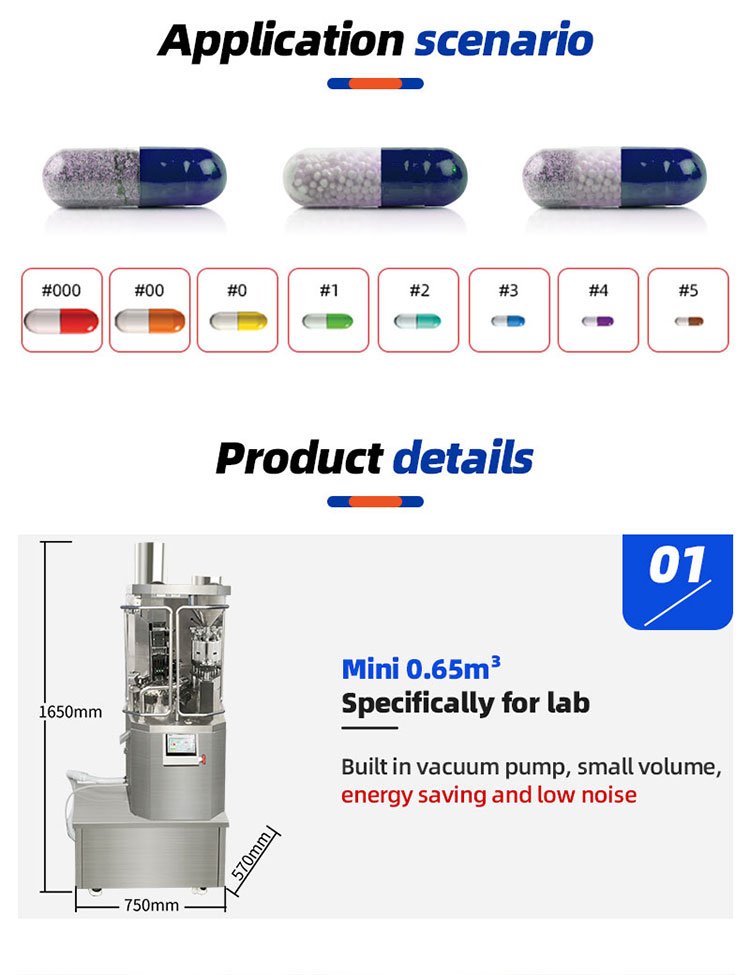
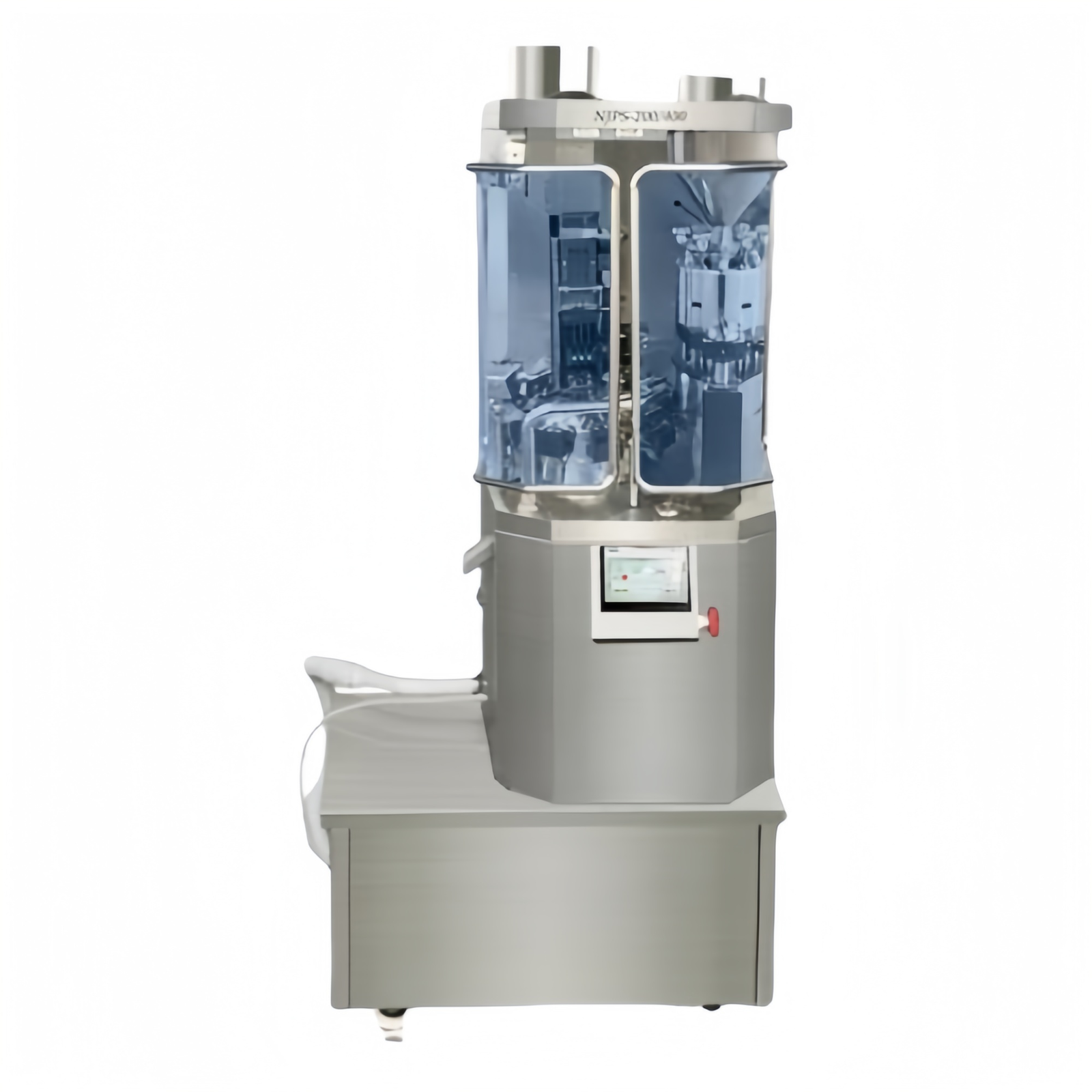
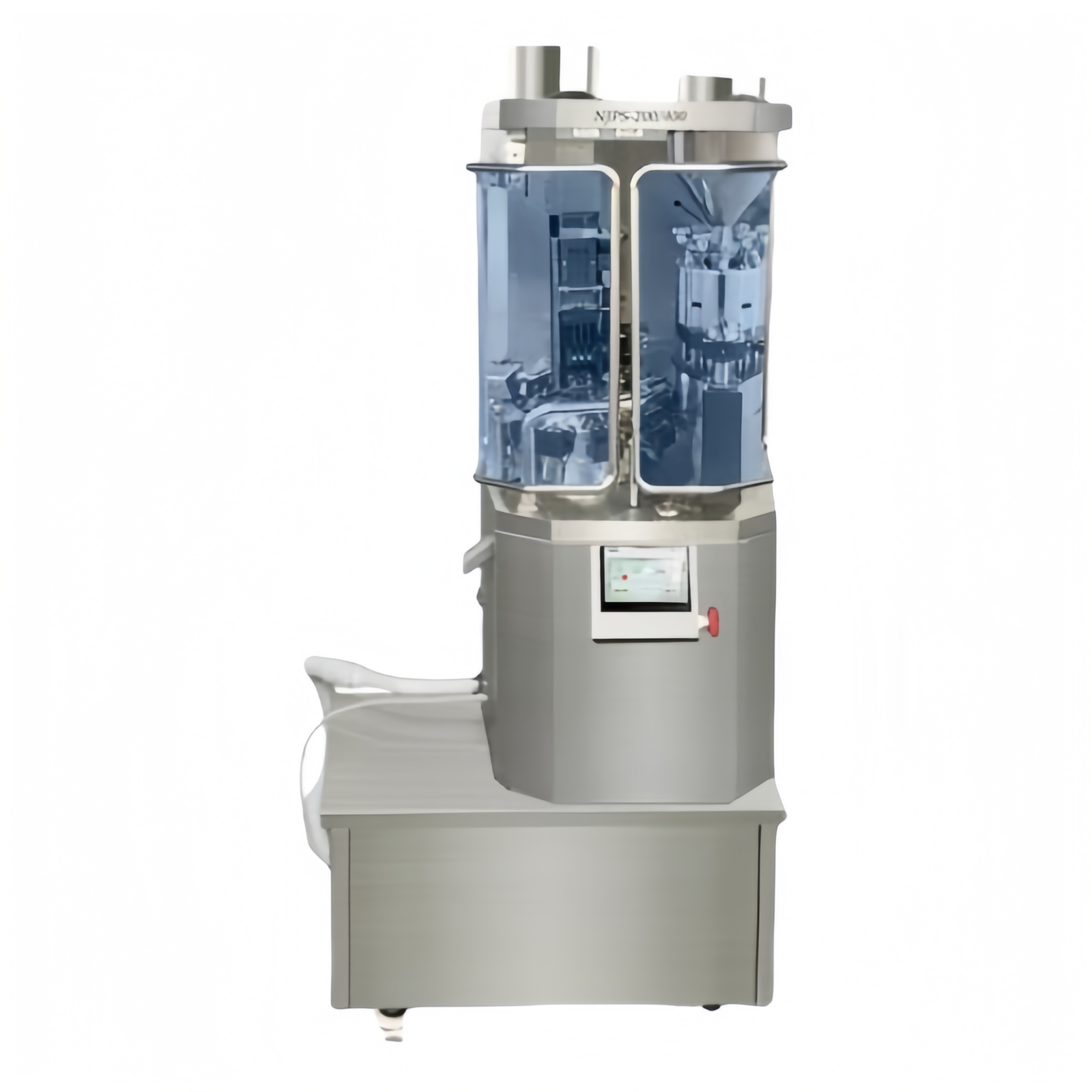
A small automatic capsule filling machine automates the entire process — from capsule feeding, separation, dosing, locking, to final discharge.
It’s controlled by PLC and equipped with vacuum systems to ensure precision and cleanliness.
Typical features:
Output: 12,000–72,000 capsules/hour
Fully enclosed, dust-free operation
Requires only 1 operator
Designed for medium to large production
Higher investment, but lower labor cost over time
2. Cost Comparison — Initial vs. Long-Term ROI
| Machine Type | Typical Output | Initial Cost (USD) | Manpower Required | Maintenance | ROI Period |
|---|---|---|---|---|---|
| Semi-Automatic | 10,000–25,000 capsules/hr | $4,000–6,000 | 2 persons | Low | 6–9 months |
| Small Automatic (e.g. NJP-200C) | 12,000–24,000 capsules/hr | $7,000–9,000 | 1 person | Moderate | 5–6 months |
| Mid-Range Automatic (e.g. NJP-800C) | 48,000–72,000 capsules/hr | $15,000–20,000 | 1 person | Moderate | 4–5 months |
💡 Insight:
Although the initial price of a small automatic capsule filler is higher, its labor savings and consistent output often make it the smarter long-term investment.
3. Which Type Fits Your Business Stage?
🏭 Stage 1 – Lab or R&D Facility
Recommended: Semi-Automatic Machine
Why: Ideal for formula testing and pilot batch production
Example: Universities, R&D centers, contract labs
🏢 Stage 2 – Start-Up Manufacturing
Recommended: Small Automatic Capsule Filling Machine (e.g. NJP-200C / 400C)
Why: Full automation, GMP-compliant, compact footprint
Benefit: Faster scale-up when sales increase
🌍 Stage 3 – Established Manufacturer
Recommended: Mid-to-Large Automatic Capsule Filling Machine (e.g. NJP-800C / 1200C)
Why: High output, integrated with capsule polisher and dust collector
Benefit: Continuous 24-hour production with minimal supervision
4. Key Decision Factors to Consider
| Factor | Semi-Automatic | Small Automatic |
|---|---|---|
| Budget | Lower initial cost | Slightly higher |
| Production Scale | Small batches | Continuous |
| Labor Demand | 2 operators | 1 operator |
| Precision & Consistency | Manual variation possible | High accuracy (±2%) |
| GMP Compliance | Basic | Full GMP-ready |
| Upgrade Potential | Limited | Scalable (same control logic across NJP series) |
If you expect to scale up within 12 months, starting directly with a small automatic capsule filling machine will save both time and reinvestment costs.
5. Case Example — Real Customer Decision
A nutraceutical manufacturer in Malaysia began with a semi-automatic capsule filler in 2022 to produce herbal supplements.
After one year, they upgraded to an NJP-400C automatic capsule filling machine.
Result after 6 months:
Output increased 3.5×
Labor reduced from 3 to 1 operator
Filling accuracy improved from 95% to 99.6%
Payback period reduced to under 5 months
The company now uses the semi-automatic model exclusively for sample testing.
6. Technical Highlights of Our Small Automatic Capsule Filler
Stainless steel 316L structure, GMP-compliant
Precision dosing turret with servo control
Vacuum capsule separation system
Easy-clean design and quick part replacement
Touchscreen HMI with fault detection
Output options: 12,000–72,000 capsules/hour
7. Invest Smart, Scale Smoothly
Whether you’re launching a small nutraceutical brand or starting a pharmaceutical pilot plant, choosing the right capsule filling machine can directly influence your operational cost and scalability.
✅ If your budget is tight and production volume is low, start with a semi-automatic machine.
✅ If you plan to grow within a year, invest in a small automatic capsule filling machine — it offers full automation, GMP compliance, and faster ROI.
👉 Contact us today to get expert advice on which model fits your capacity and growth plan.
Let’s design a capsule production line that grows with your business — smart, efficient, and profitable.